Beaver Activity Near Homes: Flooding Risks and Wildlife Control Options
If you're dealing with beaver activity near homes and concerns about flooding, local contractors can provide effective wildlife control and removal solutions.
Homeowners in the area often encounter beaver activity near their properties, which can lead to concerns about flooding and damage to landscaping or structures. Understanding the risks associated with beaver presence is important for maintaining property safety and preventing costly water-related issues. Exploring wildlife control options and flood prevention strategies can help protect homes and ensure peace of mind, especially in neighborhoods where beaver activity is common.
When beavers build dams close to residential areas, local contractors who specialize in wildlife management and property protection can offer practical solutions to address these challenges. These professionals can assist with effective beaver removal and habitat management, helping to reduce flooding risks and minimize wildlife-related disturbances. Keeping informed about available services can make it easier to find the right support for maintaining a safe and secure home environment.
- Beaver removal services are needed when beaver activity near homes causes flooding or property damage, and local contractors use trapping and habitat modification methods to address the issue.
- Flooding prevention solutions are sought when beaver activity threatens to block drainage systems or undermine foundations, with service providers implementing exclusion and flow control techniques.
- Wildlife control options are considered when homeowners notice signs of beaver presence, and local pros employ humane trapping and relocation strategies to manage the situation.
- Dam removal and management services are necessary when beaver-built structures pose risks to property or safety, with contractors carefully dismantling or altering dams to restore proper water flow.
- Habitat modification approaches are used when beaver activity near homes increases flooding risks, with local service providers installing barriers or altering landscape features to discourage beaver encroachment.

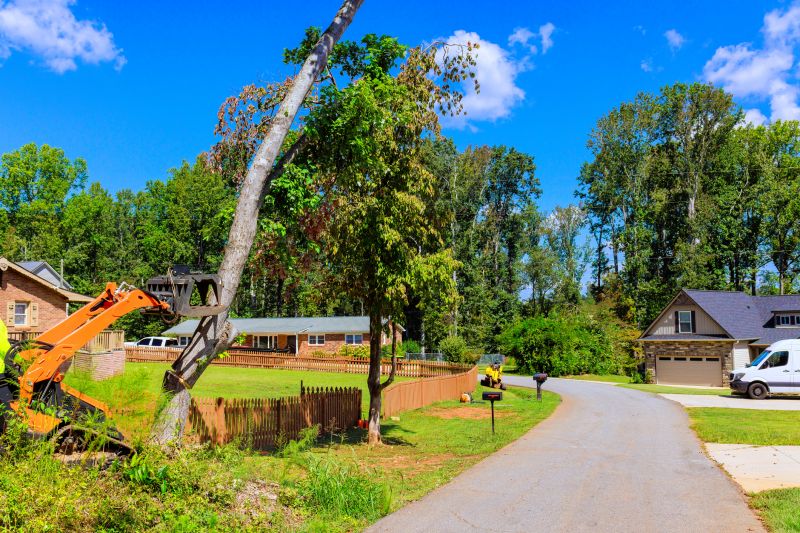
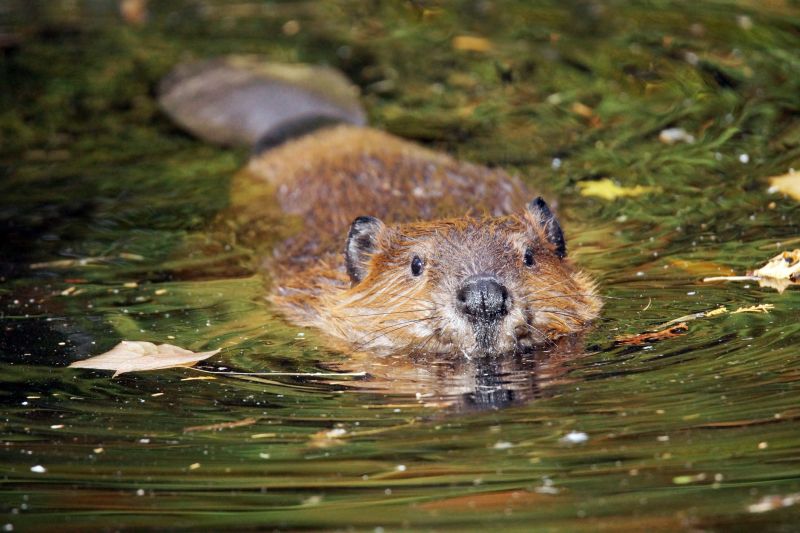
When homeowners search for information about beaver activity near homes: flooding risks and wildlife control options, they are typically concerned about the impact of beavers on their property. Beavers are known for building dams and lodges that can alter natural water flow, which sometimes leads to localized flooding. This flooding can threaten landscaping, foundations, basements, or other structures, prompting residents to seek solutions for managing beaver presence. Many are also interested in understanding how to prevent further damage while considering humane and effective wildlife control methods.
This topic often relates to property owners who notice signs of beavers on or near their land, such as dam construction in nearby streams or ponds, gnawed trees, or water pooling in unintended areas. Homeowners may be planning to protect their property from potential flood damage or looking for ways to manage the presence of beavers that have moved onto their land. These situations can involve a mix of concerns-whether it’s preventing water from flooding basements or maintaining the natural landscape-making it important to explore wildlife control options that are both effective and appropriate for the property.
Properties that commonly come up in these discussions include residential yards with ponds, streams, or wetlands, as well as suburban neighborhoods adjacent to wooded or water-rich areas. Farms or rural properties with access to natural water sources are also frequently affected by beaver activity. These properties tend to be more vulnerable to flooding caused by dam construction, which can quickly escalate into larger issues if not addressed. Homeowners in these settings often seek professional assistance to evaluate the situation and implement control measures that protect their land while respecting local wildlife.
Local service providers who specialize in wildlife management and beaver removal play a key role in addressing these concerns. They offer a range of solutions, from installing flow devices that regulate water levels to removing dams or relocating beavers when appropriate. These professionals help homeowners develop customized plans that mitigate flooding risks and reduce beaver activity around their property. Connecting with experienced wildlife control contractors ensures that property owners can manage beaver-related issues effectively, minimizing damage while adhering to humane practices.
Flood prevention projects - local contractors often handle drainage system installations and modifications to reduce flood risks caused by beaver activity near homes.
Wildlife exclusion services - experts provide fencing and barriers to prevent beavers from accessing residential areas, helping to control wildlife near homes.
Stream and pond management - professionals can design and implement waterway modifications to minimize flooding and discourage beaver habitation.
Habitat modification projects - local service providers may perform land grading and vegetation management to reduce attractants for beavers near properties.
Dam removal and repair - specialists assist with safe removal or repair of beaver dams that threaten property flooding and safety.
Waterway assessment services - experts evaluate the impact of beaver activity on drainage to recommend effective control and flood mitigation strategies.
When evaluating service providers for beaver activity near homes, it’s important to consider their experience with similar projects. Homeowners should seek out local contractors who have a proven track record in wildlife control and beaver removal, especially in situations involving flooding risks. An experienced professional will understand the behaviors of beavers and the most effective strategies for addressing their activity, helping to ensure the work is handled efficiently and effectively. Checking references or reviews from previous clients can provide insight into their familiarity with beaver-related issues and their ability to manage projects of comparable scope.
Clear communication and well-defined expectations are key when selecting a wildlife control specialist. Homeowners should look for providers who offer detailed explanations of their methods, what the work will entail, and any potential impacts on the property. A reputable service provider will be transparent about the process and answer questions thoroughly, helping to foster a shared understanding of the project’s goals. Establishing clear expectations upfront can prevent misunderstandings and ensure that the work aligns with the homeowner’s needs, particularly when dealing with sensitive issues like flooding risks caused by beaver activity.
Reputable local contractors should also prioritize good communication throughout the project. This includes promptly providing updates, clarifying any concerns, and being accessible for questions or additional information. Homeowners are encouraged to seek out providers with a reputation for professionalism and responsiveness, as this can be indicative of their commitment to quality service. By working with a service provider who communicates clearly and consistently, homeowners can feel more confident that their beaver removal needs-especially those related to flooding risks and wildlife control-will be addressed thoroughly and with attention to detail.
Property owners often search for beaver activity near homes: flooding risks and wildlife control options when they are planning practical projects around their homes and businesses. Local pros provide Beaver Removal services for everyday jobs and straightforward project options.
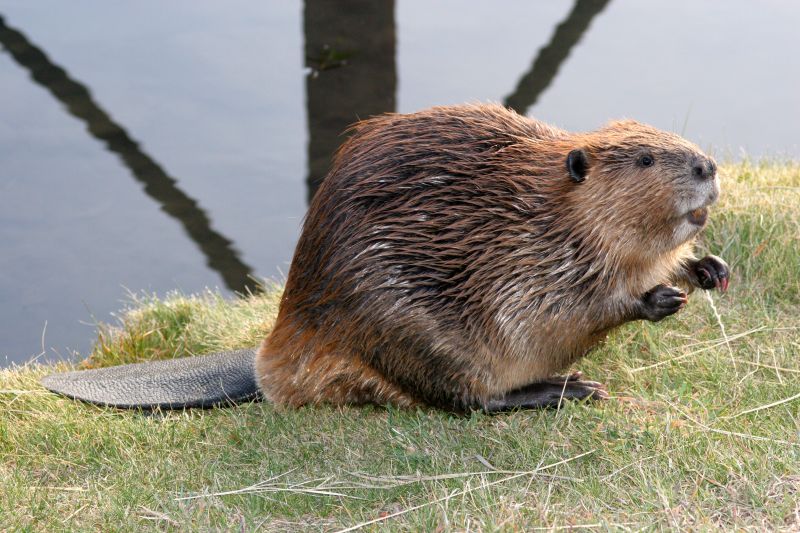
Beaver activity near homes can lead to significant flooding risks, especially when dams are built on or near residential property. Property owners noticing increased water levels, flooded yards, or damage to landscaping might consider wildlife control options to address the situation. Local contractors specializing in wildlife management can evaluate the extent of beaver activity and recommend appropriate removal or control methods to prevent further water damage and protect property investments.
In addition to flooding concerns, homeowners may also seek wildlife control options to manage beaver presence around their property. Professional service providers can offer humane removal solutions and help implement measures to discourage beavers from returning. Engaging experienced local contractors ensures that beaver activity is handled effectively, reducing potential damage while addressing safety and environmental considerations.
What are the common signs of beaver activity near homes? Signs include chewed trees, dam construction on nearby water bodies, and increased water levels or flooding in the area. Local contractors can assess these signs and determine if beaver activity is impacting the property.
How does beaver activity pose flooding risks to homes? Beavers build dams that can block natural water flow, leading to water backup and flooding around properties. Professional wildlife control services can evaluate and address these risks effectively.
What wildlife control options do local service providers offer for beaver removal? They typically provide trapping, dam removal, and habitat modification to safely manage beaver populations and reduce flooding risks near homes.
Are there any legal considerations when dealing with beaver removal? Regulations vary by location, so consulting with local pros can ensure that removal methods comply with wildlife management laws and protect local ecosystems.
How can I prevent beavers from returning after removal? Local contractors may recommend habitat modifications, such as removing food sources or installing barriers, to discourage beaver re-establishment near homes.
Assessing flood risks - property owners can evaluate areas prone to beaver activity near homes to identify potential flooding hazards and plan for wildlife control options with local contractors.
Installing barriers - homeowners can explore installing physical barriers or fencing to prevent beavers from accessing critical areas, with guidance from local pros experienced in wildlife management.
Creating water flow solutions - residents might implement water flow devices or modifications to reduce ponding and manage beaver dam impacts, working with local wildlife control specialists.
Monitoring activity signs - property owners can learn to recognize signs of beaver activity, such as gnawed trees or dam construction, and seek assistance from local contractors to address wildlife concerns effectively.
If you are thinking about beaver activity near homes: flooding risks and wildlife control options for a property, this guide is meant to help you understand this topic, the typical project types, and how different options might fit your plans.
When you are ready, you can use the quote form on this page to share a few details about your project. From there, local pros can review the basics and follow up with options that match what you have in mind.