Why Beavers Target Culverts and Drainage Channels Near Homes
People searching for beaver removal often want to stop beavers from damaging culverts and drainage channels near homes, and local contractors can provide effective removal and prevention solutions.
Understanding why beavers target culverts and drainage channels near homes can help property owners better protect their land and structures. Beavers are naturally drawn to areas where water flows are accessible and manageable, making culverts and drainage channels attractive sites for building their lodges and dams. These waterways often provide the ideal environment for beavers to create a habitat that offers safety, food, and easy access to water, which can sometimes lead to flooding or property damage if not addressed. Exploring this topic can reveal practical reasons why beavers choose certain areas and how their activity might impact nearby homes.
For property owners facing issues related to beaver activity around culverts and drainage channels, local contractors who specialize in beaver removal and habitat management can offer solutions to mitigate problems. These professionals understand how beavers operate and can implement effective measures to prevent damage while respecting local wildlife. Keeping informed about why beavers target these features can help homeowners recognize early signs of activity and seek appropriate assistance before minor issues turn into more significant concerns. Continuing to explore this topic can provide valuable insights into managing beaver-related challenges near residential properties.
- Culvert and drainage channel repair services are needed when beavers cause blockages that lead to flooding near homes, and local contractors can remove debris and reinforce structures to prevent future issues. Beaver activity that results in dam construction blocking waterways near residential properties often requires professional removal and habitat management from local service providers. When beavers target culverts and drainage systems, local pros can install exclusion devices or modify existing infrastructure to keep beavers away and maintain proper water flow. Drainage channel maintenance services are called upon when beaver dams cause water backup, with local contractors clearing obstructions and implementing solutions to protect property foundations. Beavers targeting drainage channels near homes may prompt professional relocation or habitat modification from local experts to reduce ongoing conflicts.
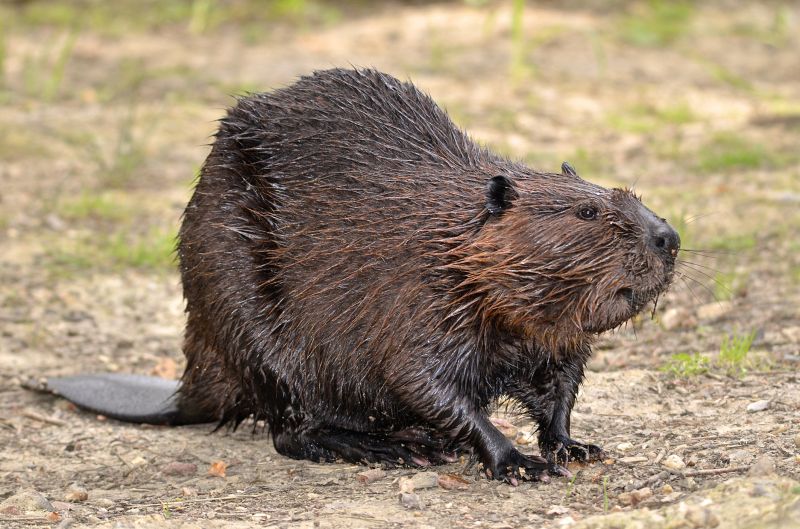
When people search for why beavers target culverts and drainage channels near homes, they are often trying to understand the reasons behind beaver activity in their neighborhood. This interest typically arises after noticing signs of beaver presence-such as dam construction, gnawed trees, or flooding near drainage systems. Homeowners may be concerned about how these activities could impact their property, especially if water levels are rising or if infrastructure is being compromised. The focus is usually on understanding the behavior of beavers in relation to man-made water management features, and how this affects the safety, drainage, and overall condition of their property.
This topic is closely related to problems involving property flooding, drainage blockages, and damage to landscaping or structures. Beavers are known for building dams that can obstruct culverts and drainage channels, causing water to back up and flood yards, basements, or foundations. Property owners might also be planning preventative measures or seeking solutions to protect their land from ongoing beaver activity. Local service providers who specialize in beaver removal are often called upon to address these issues, offering solutions that help restore proper water flow and prevent further damage. Understanding why beavers target these specific areas helps homeowners recognize when professional intervention is needed.
The types of properties most commonly affected by beaver activity include residential homes near natural water sources such as ponds, lakes, or streams. Suburban neighborhoods with drainage channels or culverts running underneath roads or driveways are also frequently impacted. These properties often have features like stormwater management systems, culverts, or small waterways that beavers find attractive for building their dams. Homeowners with yards that border wooded or wetland areas are particularly likely to encounter beaver activity, especially if the animals see the drainage channels as ideal locations for constructing dams and lodges. Recognizing the property types involved can help homeowners better identify signs of beaver presence and understand the importance of professional removal services.
Understanding why beavers target culverts and drainage channels near homes is essential for addressing property concerns effectively. Beavers are naturally drawn to water sources where they can build dams and lodges, providing them with safety and access to food. When these animals find drainage systems or culverts that offer easy access and protection, they may prioritize these locations for their activities. Local pros who specialize in beaver removal are equipped to handle these situations, offering solutions that remove beaver activity and repair or reinforce drainage features. By knowing the reasons behind beaver targeting behavior, homeowners can better appreciate the role of professional services in protecting their property from water damage and ensuring proper drainage.
Culvert Repair and Replacement - local contractors often handle projects involving the repair or replacement of damaged culverts to prevent beaver interference and ensure proper drainage.
Drainage Channel Design and Installation - professionals can design and install effective drainage channels that are less attractive to beavers and reduce their impact near homes.
Beaver Dam Removal and Management - specialists focus on removing or managing beaver dams that block culverts and drainage paths, helping to restore normal water flow.
Water Flow Assessment Services - experts conduct assessments to identify vulnerabilities in drainage systems that beavers may target, enabling proactive solutions.
Property Drainage Improvement Projects - local service providers can upgrade drainage systems to minimize beaver activity and protect residential areas.
Wildlife Exclusion and Barrier Installation - technicians install barriers to prevent beavers from accessing culverts and drainage channels near homes, reducing damage risks.
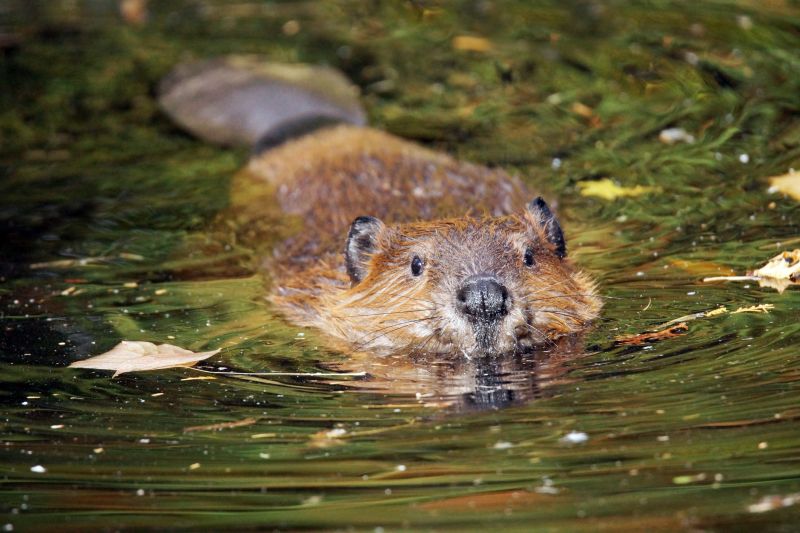
When evaluating service providers for beaver removal, it is important to consider their experience with similar projects involving culverts and drainage channels near homes. A contractor with a proven track record of successfully handling beaver-related issues can demonstrate familiarity with the unique challenges these situations present. This experience often translates into more effective solutions and fewer surprises during the work process, helping ensure that the problem is addressed thoroughly and efficiently.
Clear written expectations are essential when comparing local contractors. A reputable service provider should be able to outline the scope of work, methods used, and any necessary follow-up actions in detail. This transparency helps homeowners understand what to expect and provides a basis for comparing different options. Establishing well-defined expectations also minimizes misunderstandings and ensures that all parties are aligned on the goals of the project.
Good communication and reputable references are key indicators of a reliable beaver removal service. Service providers who are willing to share references or reviews from previous clients can offer insight into their professionalism and the quality of their work. Additionally, responsive and clear communication throughout the consultation process demonstrates a contractor’s commitment to customer service. These qualities help homeowners feel more confident in their choice and foster a smoother, more predictable project experience.
Property owners often search for why beavers target culverts and drainage channels near homes when they are planning practical projects around their homes and businesses. Local pros provide Beaver Removal services for everyday jobs and straightforward project options.
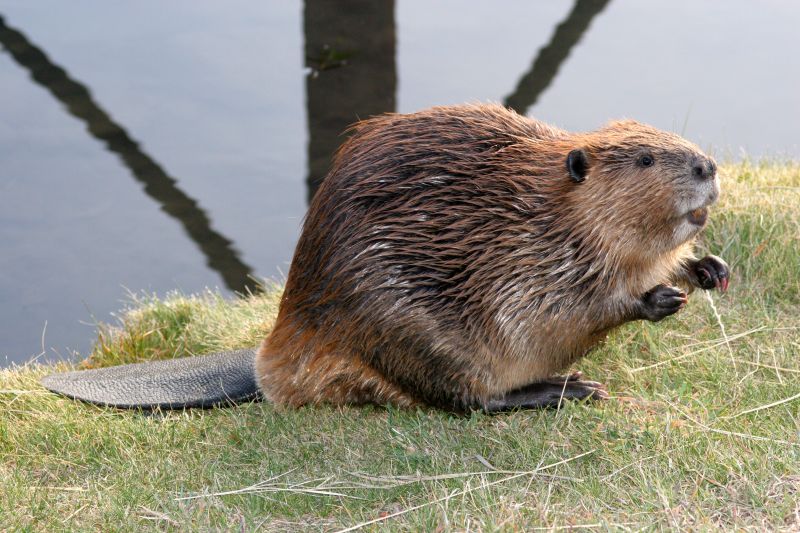
Beavers often target culverts and drainage channels near homes because these structures provide easy access to water sources and serve as ideal sites for building their lodges and dams. Property owners who notice increased activity or damage around these areas might find beavers are drawn to the flow of water and the shelter these structures offer. In many cases, beaver activity can lead to clogged drainage systems, flooding, or damage to landscaping, prompting homeowners to seek the expertise of local contractors experienced in beaver removal and habitat management.
Understanding why beavers target culverts and drainage channels can help property owners better address the issue before it worsens. Local service providers who specialize in beaver removal can assess the situation, identify the reasons behind their interest in specific areas, and implement effective solutions to protect properties. Connecting with these experienced contractors ensures that the problem is handled properly, reducing the risk of ongoing damage and helping maintain proper drainage around homes.
Why do beavers target culverts and drainage channels near homes? Beavers see culverts and drainage channels as ideal locations for building dams because they provide water sources and easy access to materials. These structures often mimic natural water bodies, attracting beavers to modify them for their habitat needs.
How can beavers cause issues around culverts and drainage channels? Beavers can block or dam culverts and drainage channels, leading to water backups, flooding, and property damage. Their dam-building activities may also obstruct water flow, impacting drainage systems near homes.
What makes drainage channels attractive to beavers compared to natural water sources? Drainage channels often have accessible trees and vegetation nearby, along with consistent water flow, making them attractive sites for beaver activity and dam construction.
How do local service providers help with beaver-related problems near culverts? Local contractors can install beaver exclusion devices, repair damaged culverts, and remove dams to prevent flooding and protect property from beaver activity.
Why is it important to address beaver activity targeting drainage channels promptly? Prompt action helps prevent property damage, flooding, and disruption of drainage systems, ensuring that beaver activity does not cause ongoing issues near homes and infrastructure.
Understanding beaver behavior - property owners can learn about why beavers target culverts and drainage channels near homes to identify vulnerable areas that may need protection or modification.
Installing barriers or deterrents - property owners can work with local contractors to install physical barriers that prevent beavers from accessing culverts and drainage channels.
Modifying drainage systems - property owners can consider drainage system adjustments to make culverts and channels less attractive to beavers, reducing their tendency to target these areas.
Monitoring and maintenance strategies - regular inspection and upkeep of drainage features can help property owners detect early signs of beaver activity and coordinate with service providers for timely removal.
If you are thinking about why beavers target culverts and drainage channels near homes for a property, this guide is meant to help you understand this topic, the typical project types, and how different options might fit your plans.
When you are ready, you can use the quote form on this page to share a few details about your project. From there, local pros can review the basics and follow up with options that match what you have in mind.