How Beaver Activity Causes Drainage and Flooding Problems
People searching for beaver removal often want to stop beaver activity that causes drainage and flooding issues, and local service providers can effectively handle these problems.
Understanding how beaver activity causes drainage and flooding problems is essential for property owners facing water management challenges. Beavers construct dams and lodges that can significantly alter natural water flow, leading to water backing up and pooling where it shouldn’t. This can cause localized flooding, damage to landscaping, and even structural issues if water accumulates around foundations. Property owners in areas with active beaver populations often find it helpful to learn how these animals impact drainage systems so they can take appropriate steps to protect their land and property.
For those dealing with persistent drainage issues or unexpected flooding, local contractors who specialize in beaver removal can offer practical solutions. These professionals understand the behavior of beavers and the best methods to safely and effectively manage their activity. By addressing the root cause-beaver dams and lodges-these service providers help restore proper water flow and prevent ongoing drainage problems. Exploring options for beaver removal can be a key step toward maintaining the integrity of a property’s drainage system and avoiding future flooding concerns.
- Beaver dam removal - homeowners noticing blocked drainage or flooding due to beaver dams can rely on local contractors to safely remove obstructions.
- Wetland and pond management - property owners experiencing water level issues caused by beaver activity can have experts assess and address drainage disruptions.
- Flood prevention services - when beaver activity leads to persistent flooding, local pros can implement strategies to restore proper water flow.
- Dam inspection and removal - individuals observing increased water retention or erosion from beaver structures can benefit from professional inspection and removal solutions.
- Drainage system clearing - those facing drainage blockages linked to beaver activity can work with service providers to clear and maintain effective water flow pathways.
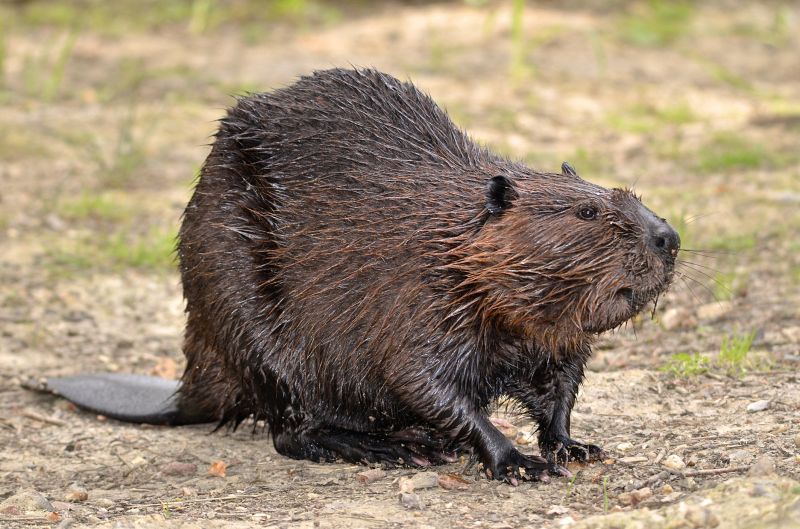
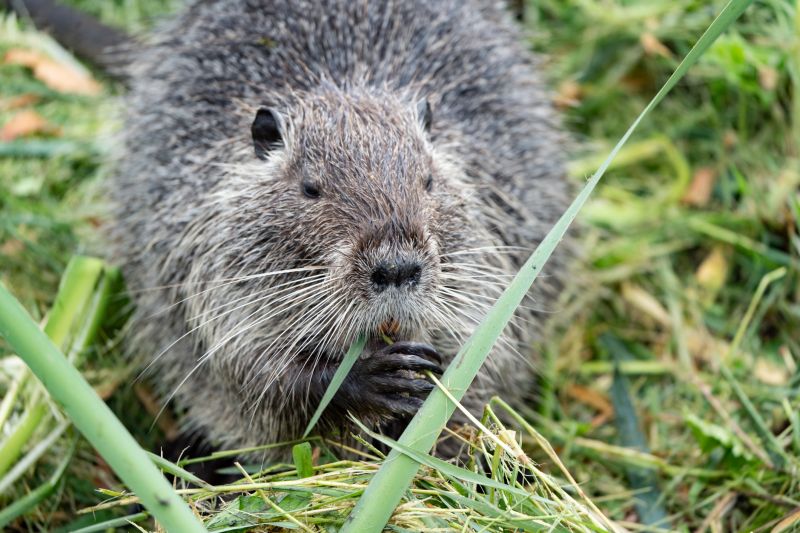
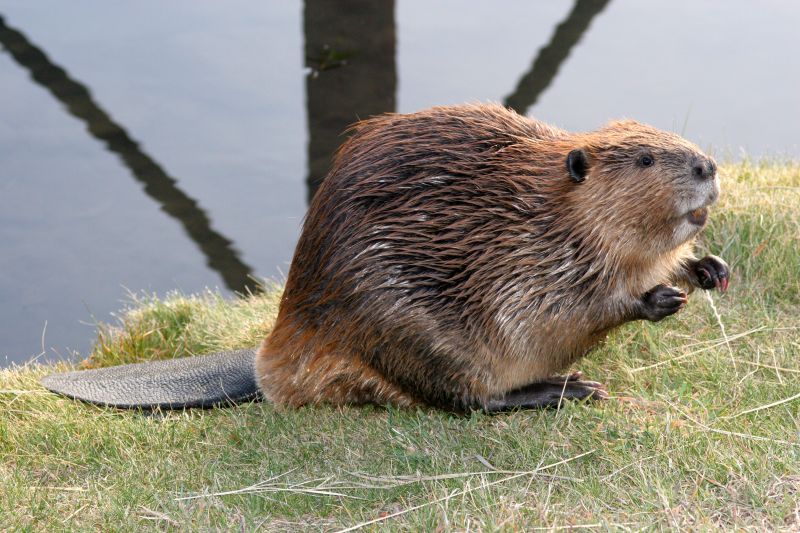
When searching for information about how beaver activity causes drainage and flooding problems, most people are trying to understand the connection between beaver behaviors and issues with water management on their property. Beavers are known for building dams and lodges that can significantly alter natural water flow. Homeowners often encounter questions about why their yard, basement, or nearby land experiences frequent pooling, slow drainage, or unexpected flooding after beavers settle nearby. This curiosity usually stems from noticing changes in the landscape, such as rising water levels or blocked streams, that seem to coincide with beaver activity.
These problems are often linked to property plans involving drainage systems, landscaping, or land development. For instance, homeowners planning to install or maintain drainage channels, stormwater management features, or pond systems may discover that beaver activity disrupts these efforts. Beavers can cause clogging of culverts, damming of streams, or water retention in areas where drainage was previously effective. Understanding how beaver activity impacts water flow is essential for those trying to protect or improve their property’s drainage infrastructure, especially when flooding threatens structures or landscaping.
The types of properties most affected by beaver-related drainage issues tend to include residential homes near natural water bodies, such as ponds, lakes, or rivers. Properties with low-lying land or areas with existing water management features are particularly vulnerable. Farms, rural properties, and suburban neighborhoods with drainage ditches or stormwater systems are also common sites where beaver activity can lead to significant flooding and water control challenges. These properties often require solutions that address both the beaver activity itself and the broader water management plans to prevent ongoing problems.
Local service providers specializing in beaver removal and property drainage solutions play a key role in addressing these issues. They can assess how beaver activity is affecting a specific property, recommend appropriate removal or control methods, and help restore proper water flow. Whether it's installing beaver exclusion devices, modifying water channels, or removing dams, these pros bring practical expertise to manage the impact of beavers on drainage systems. Connecting with experienced contractors ensures that property owners can develop effective plans to reduce flooding risks and maintain healthy water management around their homes.
Beaver dam removal projects involve managing natural obstructions that can block water flow, similar to how beaver activity causes drainage issues and flooding problems.
Wetland restoration efforts require understanding water flow patterns and managing natural habitats, which aligns with addressing beaver-induced drainage concerns.
Stream and creek maintenance services focus on clearing blockages and ensuring proper water movement, comparable to mitigating beaver activity impacts on drainage systems.
Flood prevention projects involve planning and implementing solutions to control water flow and prevent flooding, relevant to managing beaver-related drainage problems.
Waterway erosion control services address erosion caused by water flow disruptions, similar to issues caused by beaver activity obstructing natural drainage.
Stormwater management solutions optimize drainage and water flow in urban and rural areas, helping to reduce flooding caused by beaver activity and related blockages.
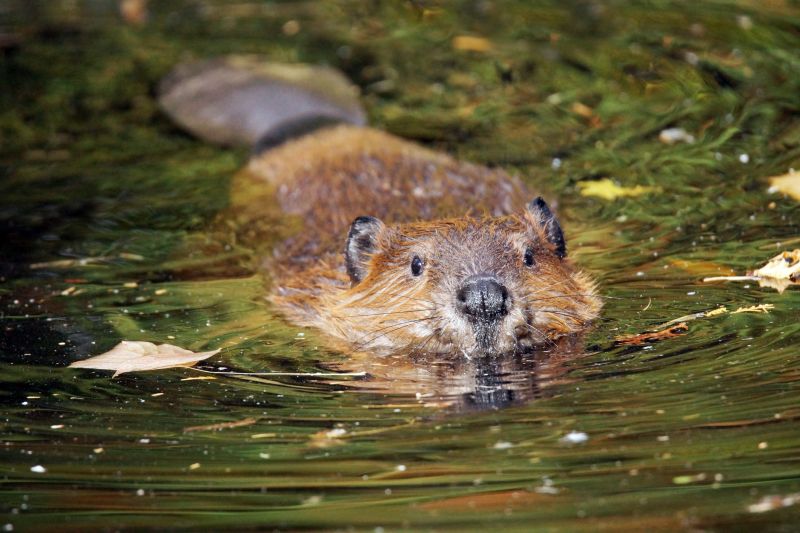
When evaluating service providers for beaver removal related to drainage and flooding issues, it is important to consider their experience with similar projects. Homeowners should look for local contractors who have a proven history of addressing beaver activity and its impact on drainage systems. An experienced professional will understand the common challenges associated with beaver behavior and be able to recommend effective solutions based on past work with properties facing comparable problems. This familiarity can help ensure that the chosen expert is well-equipped to handle the complexities of beaver-related drainage disruptions.
Clear, written expectations are essential when comparing local pros for beaver removal services. Homeowners should seek providers who can clearly outline the scope of work, including the methods they plan to use and the anticipated outcomes. Having detailed, written information helps prevent misunderstandings and ensures that both parties are aligned on the project’s goals. Transparent communication about what the service entails provides peace of mind that the contractor understands the specific drainage and flooding concerns caused by beaver activity and is committed to addressing them thoroughly.
Reputable references and effective communication are key factors in selecting the right local contractor. Homeowners are encouraged to ask for references or reviews from previous clients who had similar beaver-related drainage issues. This feedback can offer insights into the contractor’s reliability, professionalism, and success in resolving problems. Good communication throughout the process-such as responsiveness to questions and clarity in explanations-also indicates a contractor’s dedication to customer service. Choosing a provider who maintains open, honest dialogue can contribute to a smoother experience and more satisfactory results when managing beaver activity and its effects on drainage systems.
Property owners often search for how beaver activity causes drainage and flooding problems when they are planning practical projects around their homes and businesses. Local pros provide Beaver Removal services for everyday jobs and straightforward project options.
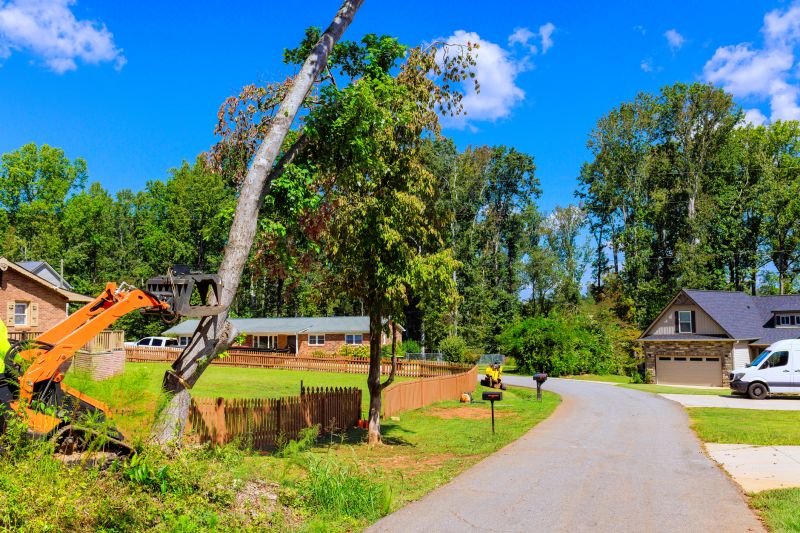
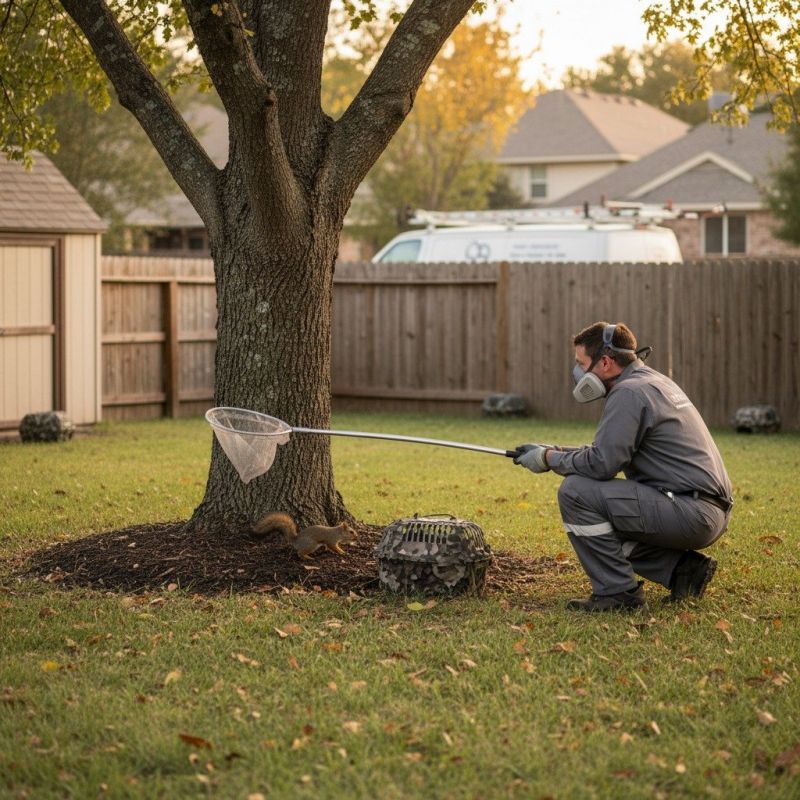
Beaver activity can significantly impact drainage systems around residential properties, often leading to flooding issues during heavy rains or rapid snowmelt. When beavers build dams on streams, ponds, or drainage channels, they can block the flow of water, causing it to back up and pool in areas that are typically dry. Property owners who notice increased water accumulation or flooding after beaver activity may seek the assistance of local contractors experienced in beaver removal to restore proper drainage and prevent property damage.
In many cases, beavers create extensive dam structures that alter natural water flow, which can lead to persistent flooding problems and soil erosion. These changes not only affect the landscape but can also threaten the integrity of foundations, basements, and landscaping. Property owners concerned about how beaver activity causes drainage and flooding problems often look for local service providers who specialize in beaver removal. These professionals can evaluate the situation, safely remove beaver dams, and implement solutions to help maintain effective drainage around the property.
How does beaver activity impact drainage systems? Beaver activity can block natural and man-made drainage channels with dams and debris, causing water to back up and create flooding issues.
Why do beaver dams lead to flooding? Beavers build dams to create ponds, which can overflow or obstruct existing waterways, leading to localized flooding and water pooling in unwanted areas.
In what ways do beaver activities affect nearby land and property? Their dam-building can cause water to flood onto land, damaging lawns, foundations, and other structures due to increased water levels and poor drainage.
How can local service providers help with beaver-related drainage problems? They can assess beaver activity, remove or modify dams, and implement solutions to restore proper drainage and prevent flooding issues.
What signs indicate beaver activity may be causing drainage and flooding problems? Signs include new dams, fallen trees, water pooling, and increased water levels in ponds or streams near property boundaries.
Assess beaver activity impacts - property owners can evaluate how beaver presence affects drainage patterns and identify areas prone to flooding.
Implement beaver exclusion techniques - installing barriers or flow devices can prevent beavers from building dams that block water flow.
Manage water flow around the property - creating proper drainage channels can help redirect water and reduce flooding caused by beaver activity.
Schedule professional beaver removal services - working with local contractors can help safely remove beavers and restore proper drainage systems.
If you are thinking about how beaver activity causes drainage and flooding problems for a property, this guide is meant to help you understand this topic, the typical project types, and how different options might fit your plans.
When you are ready, you can use the quote form on this page to share a few details about your project. From there, local pros can review the basics and follow up with options that match what you have in mind.